
Lately

Lately, I been seeing more suns setting than suns rising. Hearing more cardinals chirping, than canaries singing. I have been catching the sunsets like you catch the last five minutes of a favorite TV show. Catching the sunsets to make the day still count. Sometimes, it just helps me tell time. Most times, I learn from her.
Like, if she can cry in sour pinks, audacious yellows, and dancing lavender, and call it “remembering who the fuck she is,” so can I. If she can scream at the top of her lungs for twenty minutes every night and soothe herself into a blissful slumber, so can I. If she can get over the day by eating it alive, just so I have an excuse to melt into the armpit of a blanket, then I can surely call what I feel as anger and exhaustion real.

See, I’m beginning to see my dreams more vividly like I carried my latent screams into the deep night with me. I’m convinced my dreams are real, where the pancakes always flip right. Where an ex gives me the apology I needed, not the one they wanted. Everything feels mended in my dreams where all my spiritual bandaids live and die. Because here comes the sun … and today, it’s still not alright. Here comes the sun because, alas, I am too tired to face its gloat. It survived the nighttime better than I did. It is eager to do its damage of uncovering more painful truths yet again. What is in the cards today? Because these days, I see the Death card more than I see The Fool. Just like I see cardinals perched in the shape of my ancestors more than I see canaries dancing with the winds of tomorrow. They both trying to tell me the future, if only I’d listen.
The day grins a little too eagerly for me and I must honor the story written in my stoic face. The day bleeds a little too much and the nighttime makes up for it in more bandaids. Bandaids everywhere. The sunset and I both scream our unsung colors into our white pillows. A screaming journey until we reach the land of silence. ...A moment... After the fire has cleared from our concaved breath, we can finally kiss our mamas goodnight.
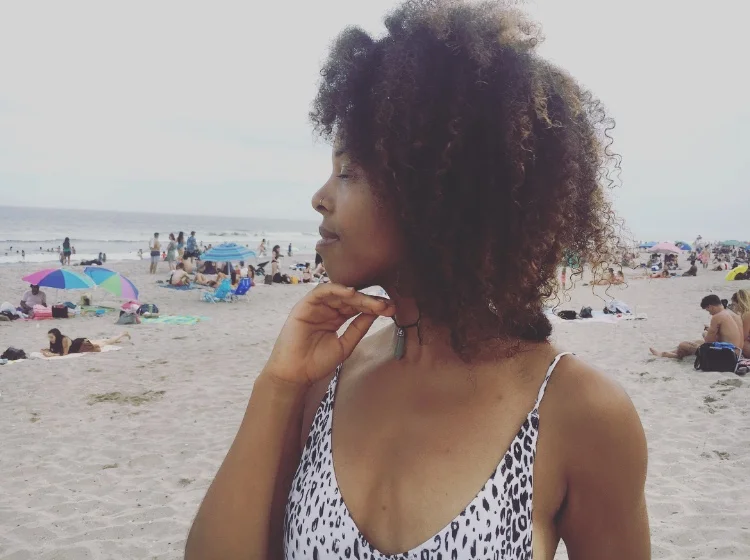
Rules, Restriction, & Recovery: When Veganism Isn’t The (First) Answer
“Perhaps my illness primed me to listen to my body better and make my health and wellness a top priority. Veganism is about lessening suffering and bettering my mental and physical health.
……
Veganism isn’t my safety net from eating cheese, meats, or other animal products that I once placed fear upon, veganism is a spiritual journey. Veganism encouraged my journey toward true empathy and compassion. “
As fucked up as it sounds, I may not have found veganism without first having had an eating disorder. Upon deciding that I would restrict my food intake by first eliminating animal products, I was only partially driven by ethics. At the end of the day, I was overwhelmingly driven by control. During my teen years, I felt so out of control and became obsessed with how people viewed me. I resorted to controlling my food, and of course that lead to an eating disorder. Thankfully, I am now completely driven by ethics rather than by control. I have the self-control to not have so much self-control.
However, as much as I advocate veganism to basically the entire world, I do not recommend a vegan diet for someone who may be recovering from an eating disorder. This may sound contradictory and possibly even hypocritical, but I have my reasons.

In terms of a standard American diet, veganism doesn’t appear normal, especially raw veganism. As popular as veganism is becoming (which is wonderful), it is not a conventional diet. Eating disorders are all about control, rules, and becoming obsessive and compulsive about those rules. I worry that for some people in recovery, veganism might become the next vice if they aren’t careful. As abundant as veganism has made me feel, it still has rules. Veganism is the omission of all animal products including meat, fish, egg, dairy, and even honey. Spiritually, veganism is about compassion and animal liberation. If there is no spiritual, health-conscious, or ethical foundation for making a lifestyle change into veganism, it can become another way to enforce food rules upon oneself. It is so crucial for someone in recovery or post recovery to find and maintain a sense of normalcy with their eating.
Normalcy involves listening to hunger cues and releasing the tight chains of control.
I noticed on Instagram and social media that while there are a lot of vegans, many of them have also recovered from eating disorders. I wasn’t as encouraged as you may think to see that trend. I was concerned. I wondered if these Instagramers were still depriving themselves from a sense of normalcy. Is it right for people recovering or who have recovered from eating disorders to jump right into giving ourselves new sets of rules and regulations? Only we can judge that for ourselves.
I certainly did not jump into veganism. I hadn’t touched veganism until nearly four years after recovering. I ate meat and cheese and pretty much all animal products when I was recovering. Not because it was “the right thing to do”, but because it brought back a sense of normalcy to my relationship with food. Some unhealthy food relationships turn into something as extreme as fear, sometimes anxiety. I was both fearful and anxious about food while I was sick. While recovering, I didn’t want to fear any kind of food any longer. If people recover from eating disorders and jump straight into an “extreme” food lifestyle for reasons other than ethics or complete physical wellness, they are allowing themselves to remain fearful of certain foods because they are inevitably avoiding them. I do recognize that people may have already been vegetarian or vegan before having eating disorders, so they will have to find a sense of normalcy in the diet they were accustomed to before becoming sick.
Either way, a normal relationship with food without fear, full of eating intuitively and mindfully, is essential to recovery.

When I decided to go vegan, I made sure that it would be about ethics and not about rules and restrictions. I was slightly hesitant to make such a huge change in my life because I didn’t want to trigger any restrictive or harmful habits I had when I was sick. However, I knew this was a different time and a different Nia. I did not need or want veganism to make me thin again. I did not need or want veganism to make me feel like I have control. Veganism is about the wellbeing of Mother Earth and all of her creatures. Veganism is about lessening suffering while improving my physical health. I view veganism as a lifestyle rather than just a diet.
Many people get wrapped up in the idea that veganism frees them to pig out and not listen to intuitive hunger cues. They get wrapped up in the idea that there’s “no calorie restriction” and then give themselves permission to binge (another type of eating disorder) at their next vegan meal. Listen, carbs are good. Carbs are great. Our bodies will naturally want a ton of carbs and therefore we should give our bodies lots of energizing carbs. But, the biggest thing I’ve learned from being sick is that eating and hunger is physical, not mental. We should be listening to our bodies rather than counting calories in the first place. Don’t try out veganism with the same sick mentality you had from bouts of yo-yo dieting in the past.
Now, I won’t lie and say that the physical and physiological benefits of veganism don’t matter to me. They certainly do. The benefits of veganism matter to me because I remember being in a wretched place where my physical, physiological, and mental well-being did not matter to me. I was in addiction mode. Upon making this lifestyle change, I did my research and realized that there is a way for non-animal diets to ADD to my life, not take away from it. From there, I could teach my body about abundance and nutrition and ditch the rules and restrictions. Going through my illness helped to wipe my slate clean of self-destructive habits.
Perhaps my illness primed me to listen to my body better and make my health and wellness a top priority. Veganism is about lessening suffering and bettering my mental and physical health.
I recognize that veganism may have saved some people from their eating disorders, and how the lifestyle of compassion and abundance ignited a sense of self-love. But I also recognize how veganism might feel like the next set of rules and restrictions to glom onto. I UNDERSTAND feeling stressed, overwhelmed, and SO out of control. So many people resort to controlling the intake of their food in times of personal crisis, I totally get it. However, I don’t think that food should be the scapegoat for dealing with personal issues. It inevitably leads to an unhealthy cycle. I feel like if I jumped straight into veganism before fully recovering to a state of normalcy, I would have felt like I still didn't have to deal with my fear foods (meats and dairy). This is why I stress the importance of finding veganism and adhering to this lifestyle for the liberating reasons of compassion and abundance.
The use of food and controlling it as a means of finding comfort is interesting. Of course food is comforting, it is a biological need. Food is laced with nostalgia and the childhood memories of togetherness and warmth. We love how a big social feast makes us feel loved and gives us a sense of belonging. People even show others their love through food. Food bears so much emotional weight. People sometimes turn to food when the scary feelings of loneliness or sadness arise.
Food is totally comforting, but so is a phone call to a dear friend, a warm bath, or perhaps a ten-minute intentional savasana. Food is not the enemy, and in the case of an eating disorder, it’s not even the issue. The issue lies in the relationship with food. Does it nourish us or does our consumption and lack thereof provide a quick antidote for latent emotional discomfort and pain?
In times of personal crises, when we turn to food, drugs, or reckless spending and behavior, we are only giving ourselves temporary peace. Controlling food in a restrictive way only gave me temporary peace, surface-level peace. What I should've done in my confusing and internally messy teenage years was speak up. I should have spoken to a friend or family member about how I felt. I should’ve made my feelings of anxiety and insecurity known and real, even if it meant writing it down in a journal. We don't verbalize our feelings because we don't want our feelings to be real. We want our uncomfortable feelings to remain latent. However, our problems eventually bubble to the surface depending on our choice of destructive behavior. I’ve always had difficulty voicing my true emotions and problems due to pride. I prided myself on seeming like I had it all together. I grew up in a family that did not always address issues when they were just issues. Most problems in my family were addressed when they became full blown arguments or crises. As uncomfortable as it feels, we must be willing and brave enough to voice even the smallest seedling of an issue. If our problems are not vocalized, we are that many more steps away from resolving our issues healthily.
Veganism isn’t my safety net from eating cheese, meats, or other animal products that I once placed fear upon, veganism is a spiritual journey. Veganism encouraged my journey toward true empathy and compassion. When looking into the eyes of a furry or feathered friend, I see a kindred soul, not something I must assert my dominance over. Veganism has opened my eyes to the interconnectedness of Mother Nature’s children. Veganism helps validate another being’s presence on Earth.

Realizing that everyone’s presence on Earth is valid and important helps me realize that I am important. It helps me realize that my being is valid on Earth, which allows me to operate more so from love and abundance rather than competition and scarcity. I don’t believe that a perfect vegan exists, but if this journey allows you to decrease suffering (including your own) in any kind of way, act with compassion, improve your health, and realize that an abundance-mindset is the status quo, then veganism is working for you.
When ethics, compassion, and empathy come to focus, there is no room for fear. That’s why veganism makes sense for me in my being. Overall, this process has taught me about the power and necessity of abundance. It has taught that I must ADD to my life, not subtract from it.
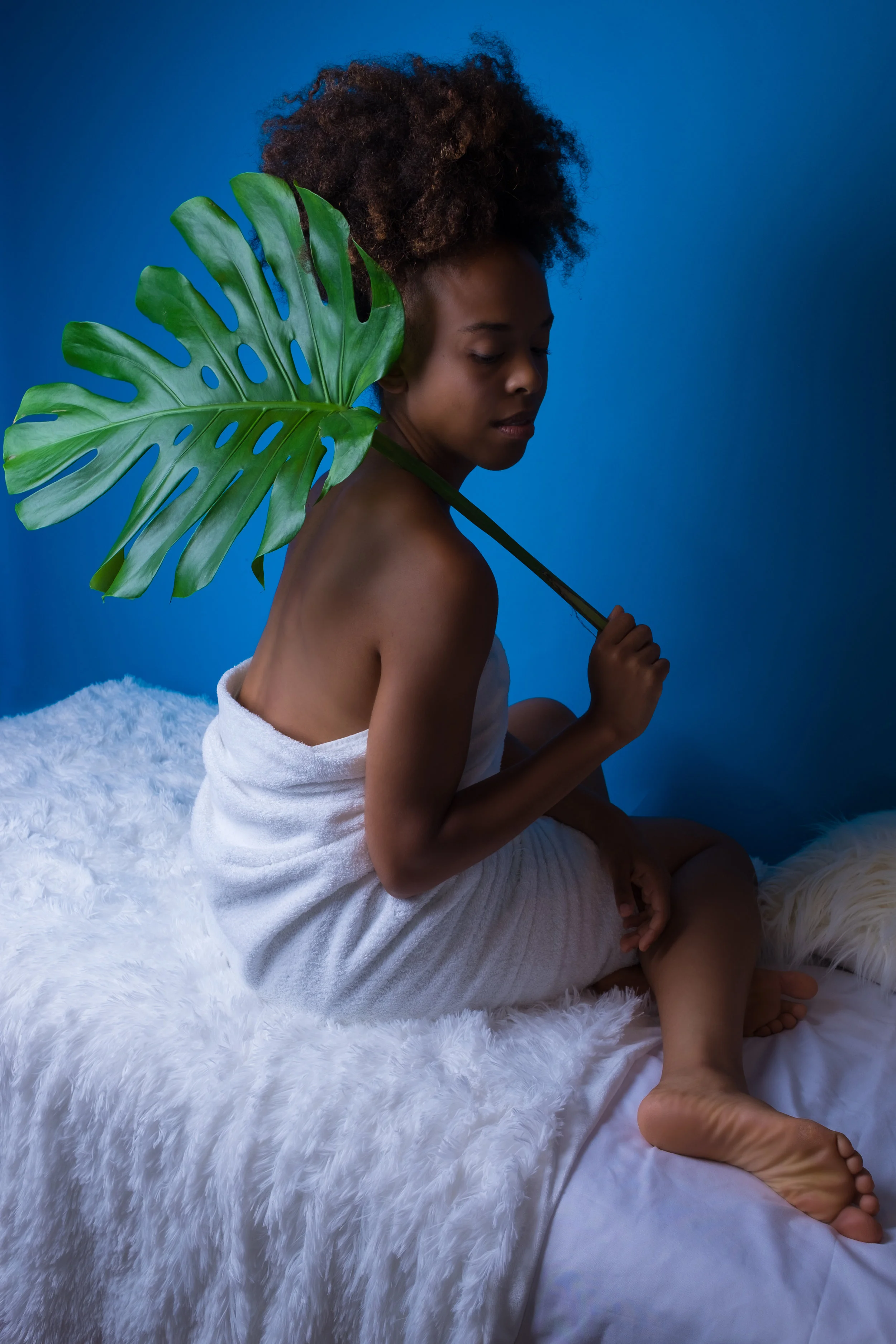
Recovery and: Coming to Terms with my Exhaustion Fetish
“My iron and b12 levels are basically hanging on for dear life. Is my “go hard or go home” approach to health and wellness actually a masochistic relationship with my body in disguise? Perhaps prideful exhaustion is a sad millennial phenomenon.”
I pride myself on the bags under my eyes. I pride myself on the aching muscles of my shoulder girdle. I pride myself on the swelling of my light brown turned bashful pink feet at the end of the day. I pride myself on every vertebrae I hear pop when I twist my spine 180 degrees to the left and right. I pride myself on the bucket of sweat I produce on a daily basis because I drank too much caffeine and now it’s time to lace up my running shoes and pour it all on the pavement.
I take so much pride in my exhaustion. Too much. I didn't realize this until I got an in-depth acupuncture treatment for the first time a week ago.
“Are you, or have you ever been anemic?” my acupuncturist asked as she examined the pale pink color of my tongue for reasons unknown to me.
“.... I think I used to be. Anemia can come and go, right?”
“It can, or some people are just born anemic. But I ask because your tongue is very pale in color, which is a sign of low iron and b12 levels.”
“Oh... But I take vitamins and supplements.”
“Your body might not be absorbing them correctly if it’s already in a state of exhaustion.”
I didn’t need to play dumb. I know I used to be anemic. I was clinically malnourished for two years as a result of an eating disorder where I lost nearly a fourth of my body weight in a matter of five months. At age 16, I stood five feet and six inches tall, and weighed 96 pounds. I used to be skeletal. How dare I try to pretend like my body isn’t still having bouts of PTSD from being broken down into survival mode for two years?
I excused myself to the bathroom, and then I cried. I’m used to escaping conversations about how I’ve treated my body in order to feel my emotional cocktail of shame, sadness, and melancholy in isolation. Taking verbal and mental inventory of my body’s well-being triggered how I used to feel when recovering from my eating disorder in outpatient treatment. I was quickly reminded of how easy it is to alienate yourself from your own body its needs. Of course I didn’t tell her what I was really feeling, or about all the baggage and body trauma I was harboring that day. I just wanted to get my treatment done and feel good as new. Feel untethered, untarnished by the lingering fumes of my body abuse shame.
I run, do yoga, or some sort of exercise about six times a week, I’ve been in a Shakespearean outdoor play for a month and a half, I’ve gratefully had random back to back acting gigs throughout the summer, along with the odd jobs and yoga teaching I do. On top of that, I’m vegan! My iron and b12 levels are basically hanging on for dear life. Is my “go hard or go home” approach to health and wellness actually a masochistic relationship with my body in disguise? Perhaps prideful exhaustion is a sad millennial phenomenon.
Ima be real for a sec. Caffeine is a mother fucker. It’s my drug of choice and it numbs me to my biggest foe: exhaustion. I exercise almost daily with the help of caffeine. Black tea, white tea, tea with a shot of espresso, chai latte, iced chai, two tea bags, maybe three, on an empty stomach, first thing in the morning, right before a show, right now, guzzled down, slurped fast, inhaled like the oxygen that my body actually needs. I’m a caffeine fiend, a caff-fiend if you will. Caffeine can also fuck with your digestion if you aren't careful. It has certainly fucked with mine. It becomes a vicious, dirty chai cycle. But that story is for another time.
Let me acknowledge that there’s a distinct difference between exhaustion from responsibilities like work, performing a Shakespearean play (well), and running errands, and exhaustion from over-exertion. Despite having the busiest, most fulfilling summer ever, I purposefully layered a new daily workout regimen on top of it. I run almost everyday for at least 30-45 minutes, adding calisthenics or yoga to button the workout, usually in the heat, most of the time before breakfast.
I don’t know. I just like to.
It feels really fucking good to pound the pavement as a way to release anxiety or stress, and this summer, MY ASS NEEDED TO. I’m not a person who does well just sitting in their anxieties and worries, especially without having a therapist. Exercise has been my consistent daily therapy for the past few months. Despite the overall exhaustion, I feel like I’m in really great shape.
However, balance is key to any kind of recovery. I’m still learning about how my body works most efficiently. Unfortunately, for me to be able to take good care of my body this summer, and to do my jobs well, I’ve said no to a lot of friends. Even when I had nothing to do that day. Giving myself first dibs at my free time is essential to my well-being and energy. But I do know that in the long run (no pun intended) I will need to live a balanced life in order for my happiness and well-being to stick around.

Photographed by Chanel Govreau (queengidrea.com)
Recovery is a daily practice. Recovery looks so different on so many different people. For me, part of my recovery is listening to what my body wants to eat, but also finding ways to strengthen my body. Sometimes that looks like a long distance run in the summer heat, other times it looks like sleeping in. I like to see how far my body can go, but I push it with love. My body used to be weak, sick, ridden with malaise and extremely low vibrational energy. Running, yoga, going to dance classes, hustling for my career, and meditation (sometimes all in one day) is what my recovery looks like. It’s my resistance against a life-threatening disease, illness, addiction that wanted to isolate and kill me. Being in my body, fully, loudly, freely, passionately is how I begin to recover. Giving myself time to breathe, reflect, rest, be quiet, be still, and cry when I need to is how I fully recover.
#getwellsoon by ariana grande is an entire mood.
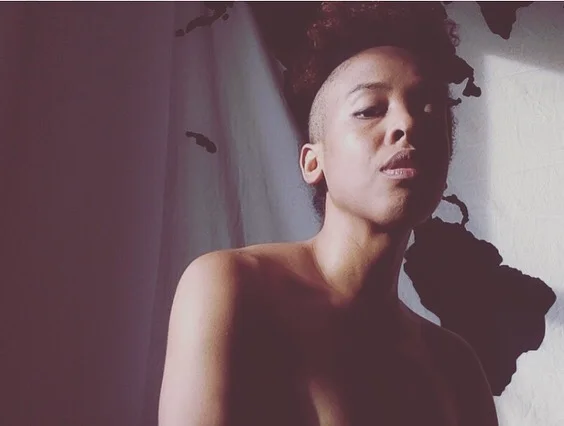
Win with Yin: How Softness is a Beautiful Act of Rebellion
"Softness is to be at peace. To be “hard” aligns with capitalism, cut-throat competition, and hiercharchy. It is rebellious to be soft because as Black women (in life, on stage, or on the screen), society always wants us to be fighting. Softness is rebellious for me as a Black woman because society tells me that I can't experience the full and wonderful complexity that is Black joy. A key part of Black joy stems from the recognition of struggle and triumph. The struggle to be recognized as fully human (a physically, mentally, spiritually blessed and flawed being), and the triumph of surpassing society’s expectations of our physical, mental, and spiritual abilities. "


(Article featured on BlackGirlInOm.com)
I am Black. I am female. I am soft.
I am courageous. I am ambitious. I am soft.
I am fun. I am hysterical. I am soft.
I am strong. I am honest. I am soft.
I am me. I am soft. I am okay.
I can be both soft and dynamic.
I can be both soft and sultry.
I can be both soft and intelligent.
I can be both soft and powerful.
Soft does not exclude me from having power. Soft does not exclude me from making my own decisions. I can be both soft and a free agent.
I used to harbor deep embarrassment and sometimes deep shame of my softness. I blamed my softness for imperfect social interactions. I blamed my softness for why I wasn’t noticed by my crushes. I blamed my softness for why kids in middle school would make me feel inadequate. I blamed my softness for my mental health issues. I too viewed my softness as a tragic flaw. I viewed it as something that held me back socially. I viewed it as something that would always get in the way of what I wanted. I viewed my softness as a weakness.
It took me a long time to realize that softness, my softness, is not weak. As a Black-vegan-female-mental health-advocate-artista, what I am not is weak. Somewhere in the span of history, during the reign of imperialism, and the development of capitalism, society learned that being soft equates weakness. We learned that softness equates weakness when we declared cut-throatery as the only way to advance in society. Softness is yin energy that is essential to living in balance. Yang energy consumes society in times of scarcity, injustice, and tyranny. Yin rebels against that. To be soft in our individualistic society, is an act of rebellion. We are rebelling against the impetus to be hostile and relentlessly rank one another. To be soft is to maintain a sense of wholeness that has not been fragmented by the enemy. It is rebellion. To be soft is to maintain a sense of levity in these heavy times. It is rebellion. To not constantly bear your shield and sword amongst a bloodthirsty battlefield is an act of rebellion.
My softness has given me freedom. I am free from the societal bounds that tell me I am supposed to loud, angry, and impossibly strong. Black women are strong by nature, not by caricature. Because the statement “Black women are the most unprotected persons in America” (Malcolm X) rings true for many, it is natural to think that containing softness would be to our detriment. How can we as Black women be “soft” when society has always and continues to pose physical, mental, and social warfare on us? We use our softness as a way to exemplify self-preservation, self-identification, and self-ownership. Our softness can be a daily choice against suiting up for a battle we did not call for. Our softness is a way of showing the world that we actually are self-assured, not cowardly or less-than. We rebel against the stereotype that we are ridden with attitude. What is revealed externally does not always reflect what lies internally. If we choose to don a soft exterior, a sense of levity when we walk, or smile from a warm kiss of sunshine that illuminates our glowing skin, this does not detract from our strength and confidence within, it all reinforces it. When I am soft, when I exude softness, it is because I am choosing not to hide it. When I exude softness, I acknowledge that my strength within exists.
Softness is to be at peace. To be “hard” aligns with capitalism, cut-throat competition, and hiercharchy. It is rebellious to be soft because as Black women (in life, on stage, or on the screen), society always wants us to be fighting. Softness is rebellious for me as a Black woman because society tells me that I can't experience the full and wonderful complexity that is Black joy. A key part of Black joy stems from the recognition of struggle and triumph. The struggle to be recognized as fully human (a physically, mentally, spiritually blessed and flawed being), and the triumph of surpassing society’s expectations of our physical, mental, and spiritual abilities. Despite having every right to be as loud and angry as we please, we will not adhere to the rules of a society that tells us our voices can only be heard if we are angry, distraught, and loud. We will not adhere to a society that gladly consumes Black female anger and misery and downplays Black female joy and inner peace. You will not indulge in our struggles while refusing to acknowledging our triumphs.
Speaking of triumph, my softness, my yin energy has taught me how to love and forgive myself fully. After struggling with mental health issues, I learned that when I fully accept the yin in my energy, I feel most balanced and at peace. I let go of the need to punish myself. Am I as a Black woman not allowed to simply feel at peace? Why must I adhere to a soul confining stereotype of constant yang energy? Why am I not allowed to be seen as vulnerable? Must Black women always be saving some man or fixing everyone's life before she handles her own problems? Sometimes us Black women only have enough answers and resources for ourselves. Neglecting our sense of softness in order to stay strong for other people will do us harm in the long run. Softness allows the door to vulnerability to open. Vulnerability creates an honest connection with oneself. An honest connection with oneself creates honest interpersonal connections. To be vulnerable is rebellious in a time when perfection and constant kick-assery have become the status quo. Vulnerability is strength in its own right. Fully inviting my soft yin energy into my life allowed me to let go of personal shame, embarrassment, doubt, and a lot of self-criticism. Fully accepting and embracing my naturally flowing yin energy taught me that I can still win with yin.
Softness is rebellious because yin does not try to prove itself. Softness is rebellious because it is not reactive. Instead, softness chooses to be proactive. To love is proactive, to have compassion is proactive, to show vulnerability is proactive because being honest with yourself serves as a catalyst or inspiration for someone else’s journey to honesty and wellness. To be soft is to help others feel comfortable enough to be soft as well. Yin invites, Yang resists.
“If I didn't define myself for myself, I would be crunched into other people's fantasies for me and eaten alive.”
This is a quote from Audre Lorde. I related to this quote not only because I realized how self-empowering it is to define oneself, but because I have known what it feels like to be socially eaten alive. I have been crunched into the box other people have designed for me. I, like plenty of other Black women, have been fragmented and sliced up so that other’s may have their hors d’oeuvre of choice. I refuse to feel fragmented from failing to live up to someone else’s perception of who I should be. I am taking full ownership of the vast and rich land that is me. I am taking ownership of my mind, body, and soul unapologetically and that is the ultimate beautifully radical act of rebellion.
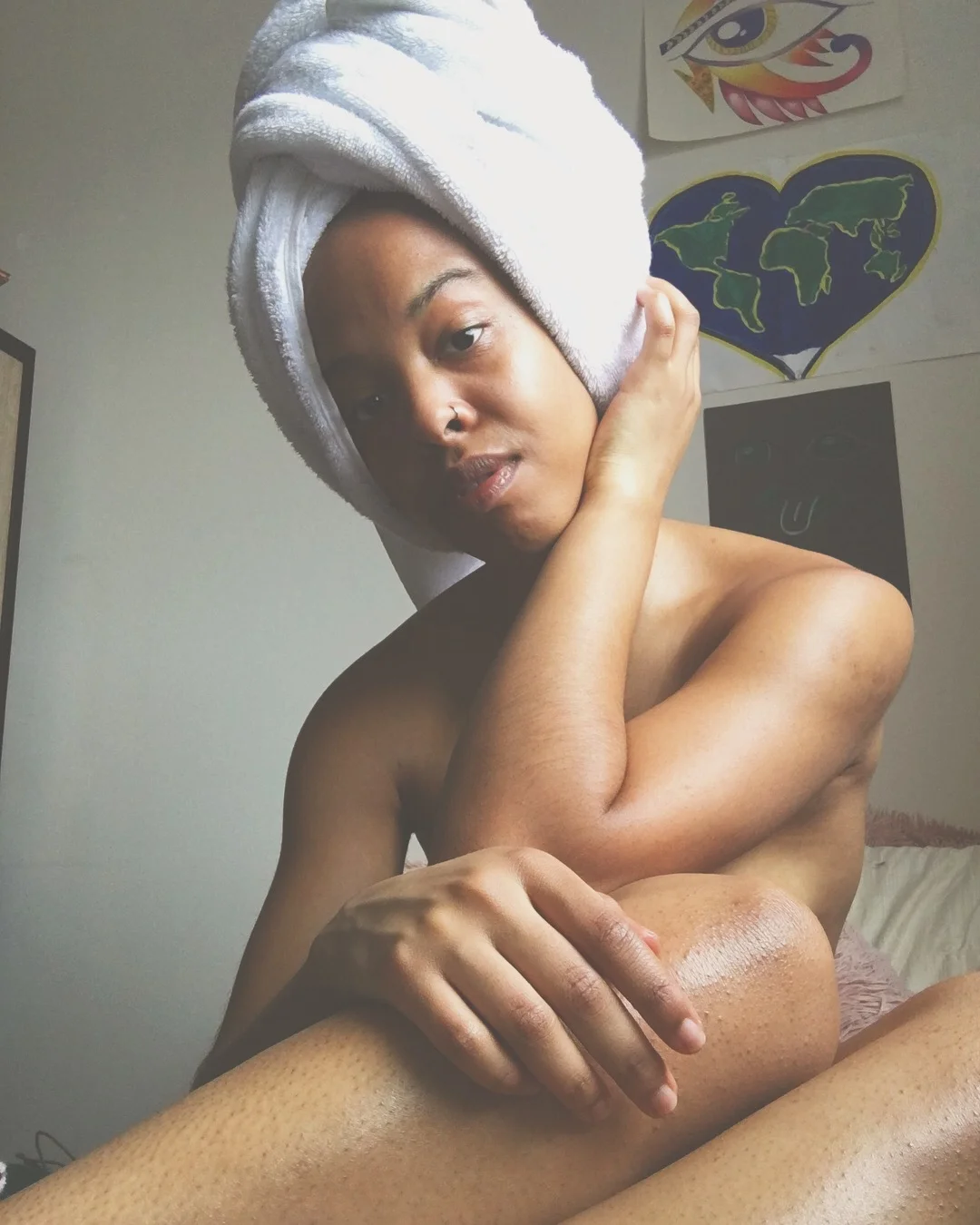
My Beautiful Black Body: A Trek to Black Womanhood by way of Mental Illness
"The scar of shame runs deep in my veins. I remember days when I was ill with my eating disorder I would mourn my Blackness, as if it had also departed from my body. Black women aren’t supposed to wallow in their sadness, they aren’t ashamed of their bodies, they do not conceal the loud and proud aspects of their Black being. I did."

(Article featured on BlackGirlInOm.com)
My Blackness has always been put to question in a social setting. In the treacherous jungle known as middle school, I fought to prove my authentic Blackness to others, while trying to maintain the authenticity within myself. My light skin, long permed hair, standard American accent and vernacular didn’t help my fight. Despite what the naysayers believed, I always tried to convey that I was simply Black. But what does “simply Black” mean? Does being simply Black mean that I am strong, outspoken, unaffected by the weary ways of the world? Not always.
My Blackness, soft and tender, has felt weak and distraught by the ways of the world. Despite always dealing with social anxiety, I never realized how closely linked anxiety and depression were until reaching adolescence. My closest encounter with mental illness as a child was my close yet, turbulent relationship with my mother, who battled depression from childhood. With my parents getting divorced at age 5 and my constant identity crises I upheld as a Black child growing up in white spaces, I can recall moments of my own childhood that felt lonely and confusing. I have lived with mental illnesses that I spent every single day denying their existences. I am a depressive, meaning that I have battled depression and some days continue to deal with some of the symptoms. I had a life-threatening eating disorder, something that brought deep shame upon me not only as a woman, but as a Black woman. All of these elements of my being were physically painful indeed, but more so mentally painful in the long run. The scar of shame runs deep within my veins. I remember days when I was ill with my eating disorder I would mourn my Blackness, as if it had also departed from my body. Black women aren’t supposed to wallow in their sadness, they aren’t ashamed of their bodies, they do not conceal the loud and proud aspects of their Black being. I did.

It began in 2010. I stood in front of a bathroom mirror, West African hips, thighs, and all, and decided I didn’t want any of it. I didn’t want the hips and thighs genetically bestowed upon me. I had hips and thighs that are considered treasures, sacred, full of life, full of lovable goodness...and I didn’t want any of it. I didn’t want the changes that my body would inevitably go through at age 15. I felt like I had no say over what my body did. I wanted “perfection”. I felt like my face was pretty thanks to puberty, but all the extra stuff that comes with puberty, I had no use for. I made the conscious decision to take control. I wanted to control every single thing about my life. I wanted to show other people how perfect I could be despite how inferior I felt on the inside. I wanted perfection and I took it out on my body. I began to restrict my food little by little, slowly gaining a false sense of control.

I lived in a fog for nearly two years making excuses to myself about why I am doing a good thing for my body. As restrictive as I was, I didn’t believe I was anorexic because I still ate SOMETHING every day. It wasn’t until I reached 95 lbs that I realized that something might be wrong with me. My deep shame came when I had to get treated in a hospital for malnutrition. I had to see a therapist weekly. Until then, I didn’t realize how much of my life this disease had taken from me. From developing OCD behavior, to becoming deeply depressed, to self-harming, to shutting people out of my life, this disease took complete control and I became a shell of the person I once was.
I never told anyone in high school. I told two people in college. Now I am telling the world. Living with this secret never erased my shame, it only compounded it. I was so ashamed to be a Black girl with an eating disorder. I was so ashamed to be a Black girl who needed to see a therapist weekly. People finally saw me as person who had her life together, when in reality, I was falling apart at the seams. I had struggled to be “Black enough” for so long for people who hardly deserved my friendship. I felt like my disease was the cherry on top to my inadequacy as a black woman. On top of speaking the way I do, looking the way I do, acting the way I do, I chose to starve myself so that I could have a body that was never destined for me? How shameful. How self-hating. How insecure. Black women aren’t supposed to be full of shame, or self-hating, or insecure. The Black women I’ve always looked up to walk with a zest in their stride and gold in their crowns. I felt even further ostracized from this idea of Black Womanhood.
While in the process of recovery, the depression spiraled. I felt even more out of control as I was gaining weight and trying to force my body into figuring out how to function again. I felt even more alone. However, I got to know myself on a truer level than ever before. I got to look myself in the mirror and be honest with Nia for the first time in a long time. It was a grieving of sorts that was so needed. During the process of my illness, so many mental and physical functions of the body began to atrophy. Helping my mind and body relearn some habits was extremely difficult, yet powerful. I began to realize how much of a temple my body is. I began to realize that my body is my lifelong best friend. Before anyone else, my body deserves the most love I can give.
Around this time of recovery, I took up yoga. After having been an athlete for most of my teenage years, yoga was a beautiful change of pace. Yoga taught me that there is strength in stretching. There is strength in being gentle. There is strength in yin energy, something I’ve always had more than enough of. There is a strength in being with your body and mind in the absence of striving. There is strength in staying on your own mat. In the incubatory process of recovery, I began smiling more at myself in the mirror. I found joyful parts of myself that I had locked away. Although I cried many tears along the way of this journey to wellness, I also discovered a beautiful part of my Black being; my resilience. Resilience is the most unwavering trait of the Black soul, especially the Black female soul. I re-appropriated my identity as Nia, the Black Woman.

Many years have passed since the onset of my illness, but thoughts and emotions I experienced have always stuck with me. That fact that those thoughts and emotions were so visceral made it hard to share them with anyone. However, I decided my shame was not worth its pain. My shame, no matter how deep, was not worth the time and energy of me feeling inadequate as a Black woman. This is a shout out to all women and particularly Black women: NO ONE gets to define who we are but ourselves. The amount of self-knowledge and self-clarity I have gained from letting go of perfection and expectations is precious. I discovered the richness in self-love and self-acceptance. It is truly beautiful to look in the mirror and recognize yourself. I look in the mirror today and see a person I can fully claim. I see a person who I am proud of. I see a person who is strong. I speak out on my mental illnesses not to boast, but to show other Black women who’ve had similar experiences that they are not alone. They are not forsaken. In fact, they are more strong and worthy of best quality of life than they could ever have imagined. Today, I am in one piece. Not fragmented, not compartmentalized. Today, I am whole.
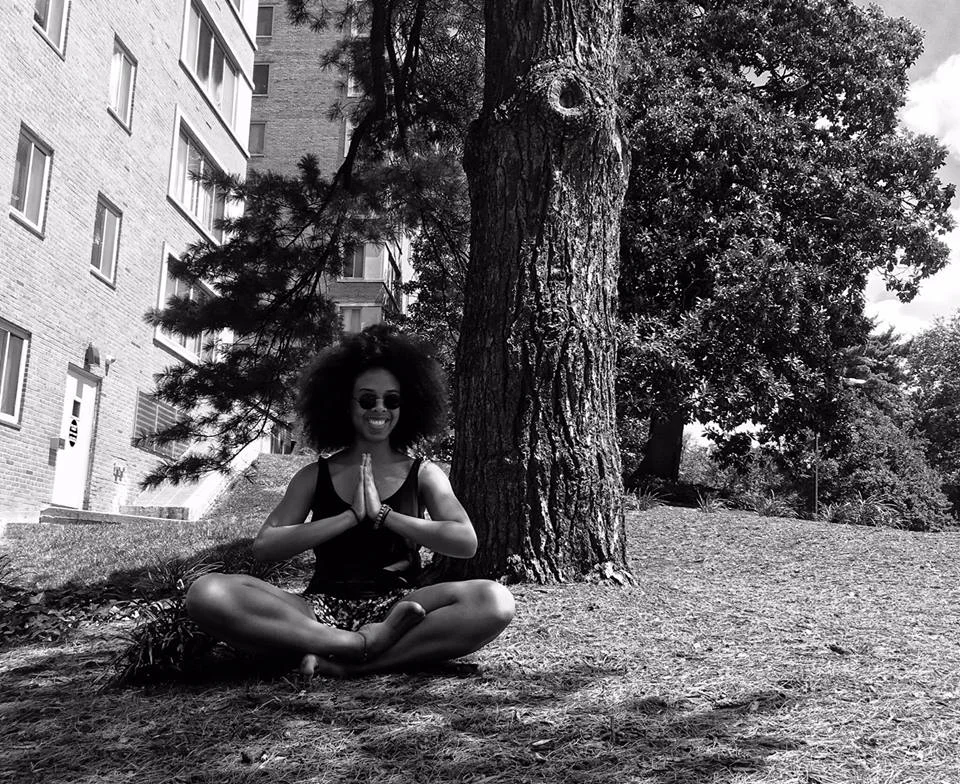
What I learned from a 21-Day Meditation Challenge
"What if the new summer pursuit doesn't turn out to be life-changing? Shame. Wasted time. Wasted energy. Wasted life. But then again, what does 'life-changing' mean?"
Now that summer is over, and fall has pretty much begun, I believe it's time to reflect on our "life-changing" summer pursuits. My "life-changing" summer pursuit was a 21-day meditation challenge.
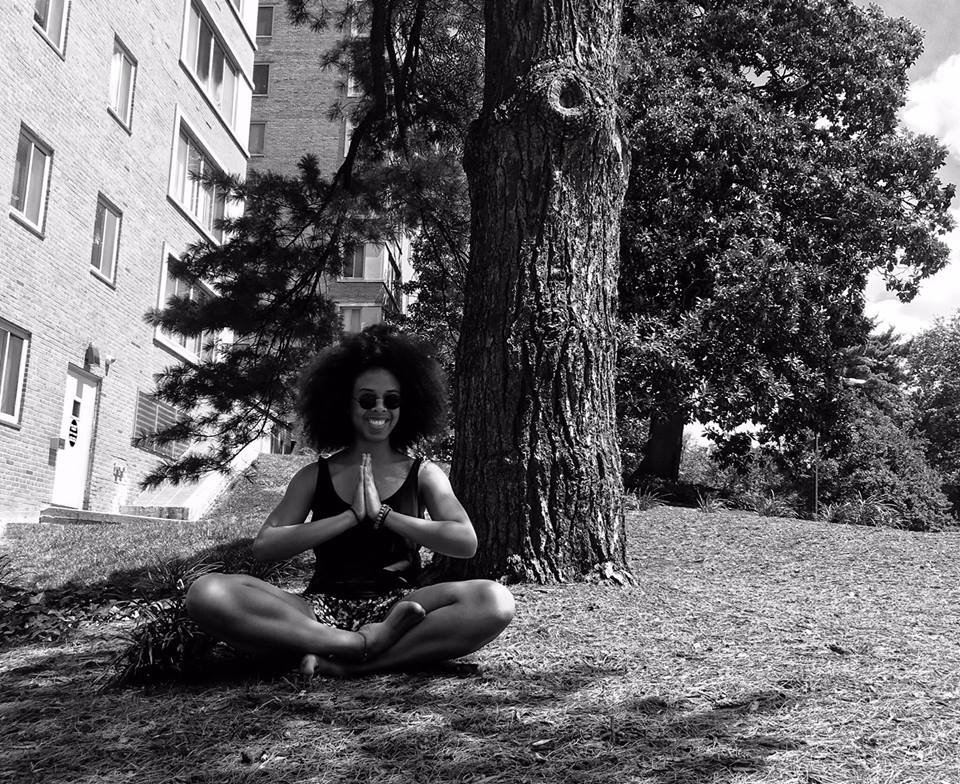
I am reflecting on my "life-changing" summer pursuit because summer happens to be the time where most people feel like they finally have permission to change their lives. People want to start blogs, make a video diary, adopt a new wellness regimen, pick up a new physical activity. Perhaps this is due to our early conditioning that summer is meant for relaxation and renewal. No harm in that.
But what if the new summer pursuit doesn't turn out to be life-changing? Shame. Wasted time. Wasted energy. Wasted life. But then again, what does "life-changing" mean? Does this mean immediate gratification of newfound glory and magic in one's life? Better yet, is there a new "lease" on life? Love that term btw, it's not overused at all. Perhaps something can be life changing in that it shows you how quickly life doesn't happen. Perhaps "life-changing" means a new level of discipline in the way one operates. In yoga philosophy, this relates to the first two limbs(principles) of yoga: Yama & Niyama (discipline & self-routine). Yama concerns a person's relationship with balance, while niyama concerns a person's level of discipline in their daily routines. I learned this at my newly life-changing 200 hour yoga teacher training, thank ya very much! On that note, a 21-day meditation challenge certainly helps with and enhances those two important limbs of yoga. On a follow-up note, I've learned that the reward from embarking on a 21 day challenge of any sort must come entirely from an internal source. There is no piece of paper certifying your experience or growth, there is no magical dancing fairy that will emerge from the bushes to grant you a magic life, and there is hardly even a pat on the back.
There is, if you are lucky, the raw and pure taste of self-assurance, growth, and gratitude that naturally comes from fulfilling a promise once made to yourself. 21 days is not a joke of a commitment, but it also isn't an impossible commitment. What's more challenging than a 21-day commitment is the integration of what was learned during those 21 days into the next 21 days that follow. How easy is it to chant namaste (with or without intention) for 21 days, and then scream "fuck you and yo mama!" on day 22? At that point, all is lost and you really have wasted your time.
In the end, it's important to remember the initial purpose of any 21-day challenge or journey. Are you just passing time? Are you trying to please someone else? Are you trying to present a false representation of yourself? Are you lost? Now if you're lost, that's okay. You may indeed find yourself in this new pursuit. Just don't always expect to find a perfect self. I expected to find my most perfectly pure self while on this journey. Much to my chagrin, my pure self is not perfect. I found that my imperfect pure self is not meant to be a perfect creature. I am meant to be whole, that's why I meditate. You may end up finding the part of yourself that you've been hiding from the world. You may end up finding an ugly self, a bruised self, an incomplete self. But that's okay. That's why we keep coming back to the regimen. But if you do indeed find something unexpected or imperfect on your journey, go with it. Explore it. Dissect it. I don't believe in trying to rid ourselves of who we are or who we've been. We should instead explore who we are and who we've been. Little by little, aspects of life will begin to change and shift, as our perception of self and others begins to change and shift as well. The reward is internal, no matter how deep or uncomfortable, the reward is internal and ultimately worth the ride/life-changing.
Poetry x Essay x Prose